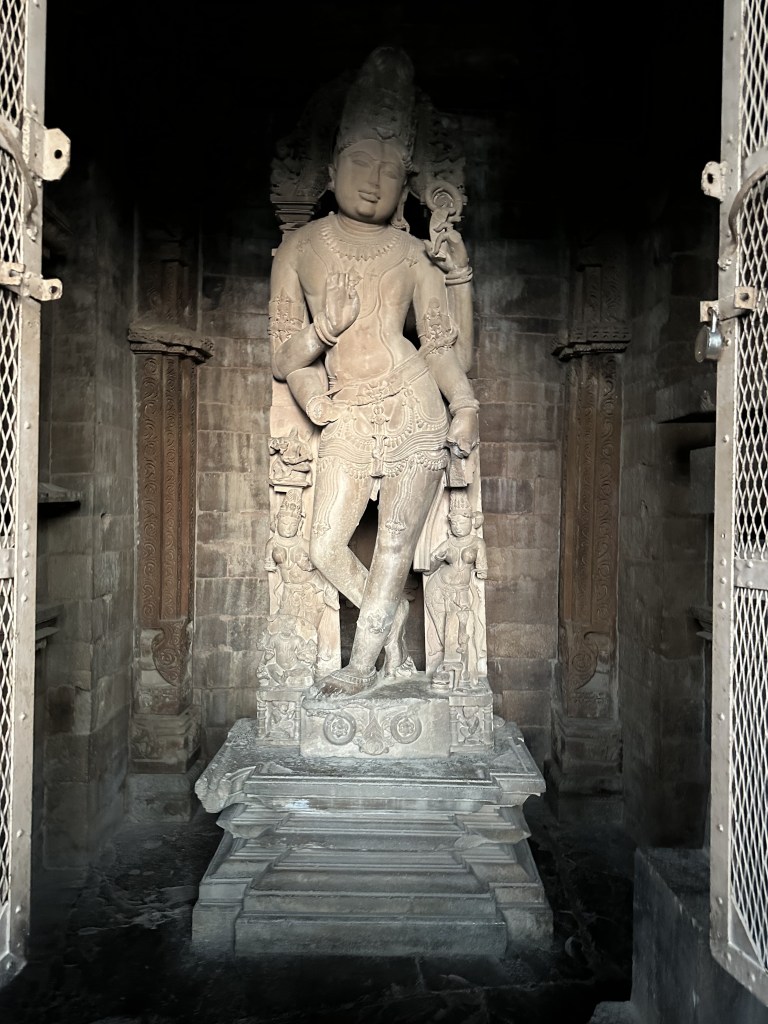
From the ancient temples of Ujjain and the architectural marvels of Khajuraho to the vibrant streets of Indore, every corner of this journey unfolds a tale of spiritual heritage, artistic brilliance, and modern-day hustle.
This blog post spans 8D/7N across three cities: Indore, Ujjain and Khajuraho, in the month of Oct 2024. This trip is a continuation to our yearly family road trip ritual through mystical mythological corridors of India. Previous road trips can be viewed here: Season 3, Season 2, Season 1. We made Indore as the base for majority of this itinerary and took short road trips to Ujjain and Maheshwar. We reached Khajuraho from Indore by taking a train and returned back to Indore to take return flight back to Bangalore.
Day 1: Local Indore
The journey began with our arrival in Indore by late afternoon. This bustling city is a perfect blend of modernity and tradition. After settling into our hotel, we visited the revered Khajrana Ganesh Temple, a prominent place of worship in Indore. The temple’s calm atmosphere and spiritual aura set the tone for the days to come.
Roaming around the cleanest city of India (arguably), we saw a center lane dedicated to public transportation with bus stations every few hundred meters. The part which intrigued us the most was other vehicles were not getting into that lane, even when stuck in traffic!
In the evening, we indulged in the city’s famous Mahalaxmi Moong Ke Bhajiye, a delectable street food made with moong dal, served hot and crispy. The flavours were as vibrant as the city’s culture, providing an authentic taste of Indore’s local cuisine, more on that in a dedicated section below.
Day 2: Omkareshwar and Mamleshwar Darshan
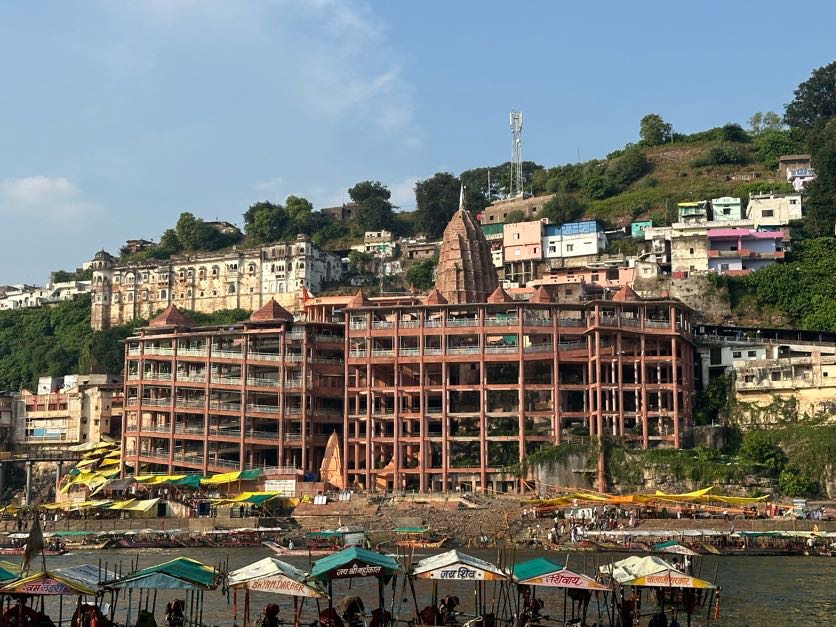
After an early start, we headed towards Omkareshwar, a sacred island town in the Narmada River, which took about 3 hours by road. The temple of Omkareshwar is one of the twelve Jyotirlingas, a revered pilgrimage site for devotees. We also visited Mamleshwar, another sacred temple nearby. The Narmada Parikrama, which we undertook on the banks of the river, was the shorter version done by boat for just the Omkar shaped Island on which the temple is situated.
We spent the evening absorbing the hustle bustle of Sarafa Bazaar and trying out various street delicacies, before returning to our hotel for an overnight stay. Our stay was in Playotel Premier Vijay Nagar which has a nice central location but nothing fancy, an overall modest stay.
Day 3: Ujjain Mahakal Darshan
On this day, we set off early for Ujjain, a city renowned for its ancient temples. It was about a 1.5-hour drive to reach the famous Mahakaleshwar Temple, one of the twelve Jyotirlingas. We had done online bookings for early morning Bhasm Aarti at 4 am, a powerful ritual where sacred ash is applied to the deity, making the experience even more profound and spiritually enriching.
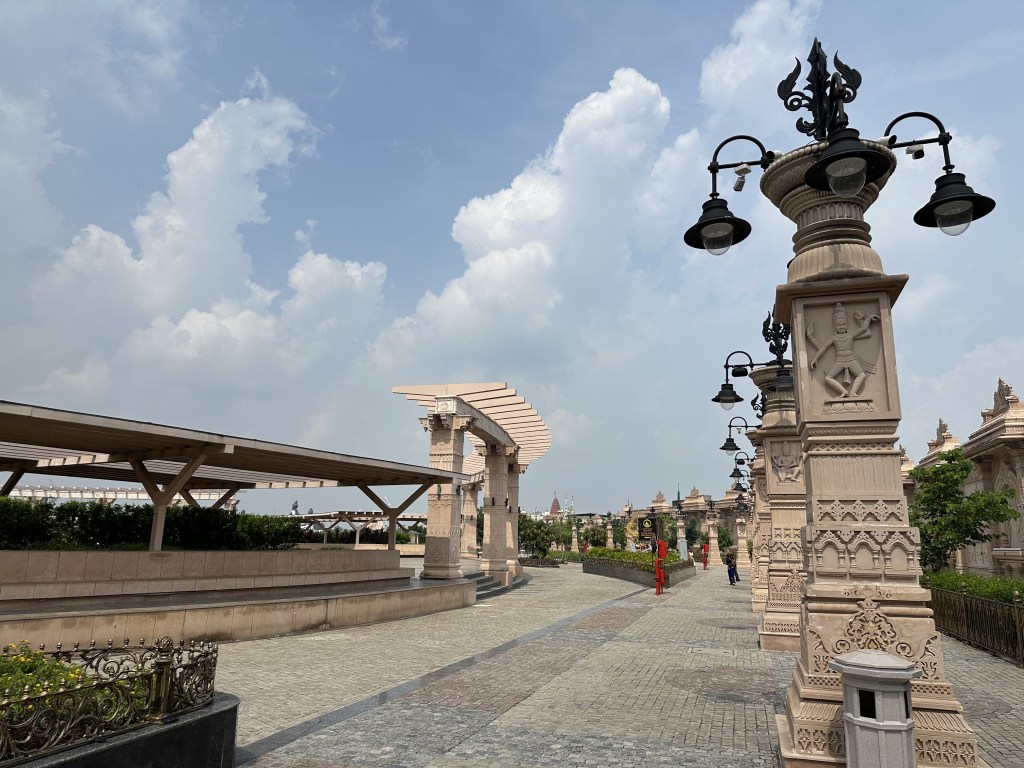
Mahakal temple in Ujjain has been developed similar to Kashi or Somnath temples which are very well managed and have long temple corridors, an entire area around the temple made vehicle free and well maintained to attract tourism.
Afterward, we explored multiple local attractions in Ujjain: Harsiddhi Temple, Ram Ghat (banks of Shipra river), Sandipani Ashram, Kal Bhairav Mandir and Chintaman Ganesh temple which is enroute Indore after you leave Ujjain city.
Our cab cum guide took us to a place near Mangalnath temple, which serves Laddu Bafla Thalis. At first glance, the place looked shady but soon we were proven wrong as the food was delicious and an acceptable level of hygiene around.
After a full day of exploration, we decided to explore food stalls in Chhapan Dukan, as we were sure that one visit to that place will not be enough.
Day 4: Maheshwar Day Trip
A day trip to Maheshwar, about 2.5 hours away, was on the agenda. Maheshwar is home to the majestic Ahilya Fort, named after the legendary Queen Ahilyabai Holkar. The fort, with its splendid architecture, overlooks the Narmada River, creating a peaceful setting for reflection.
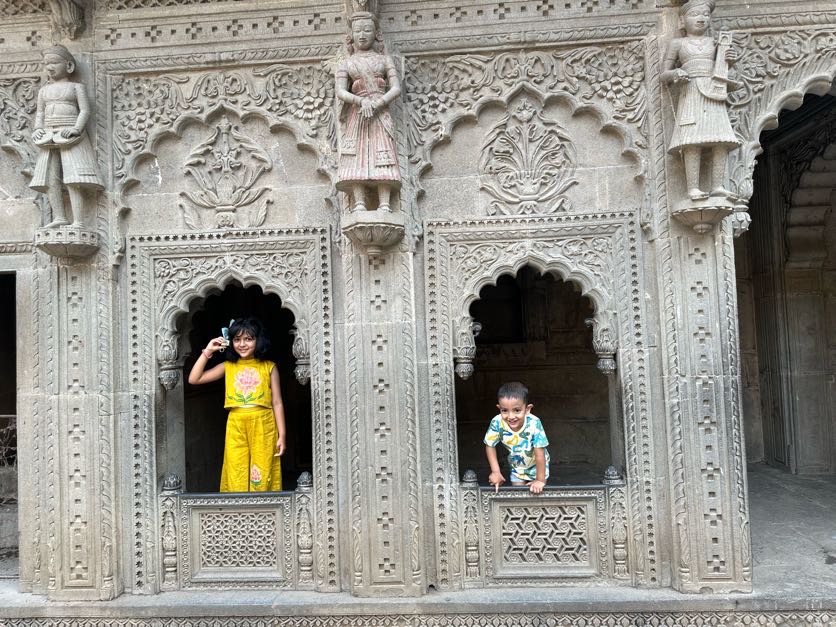
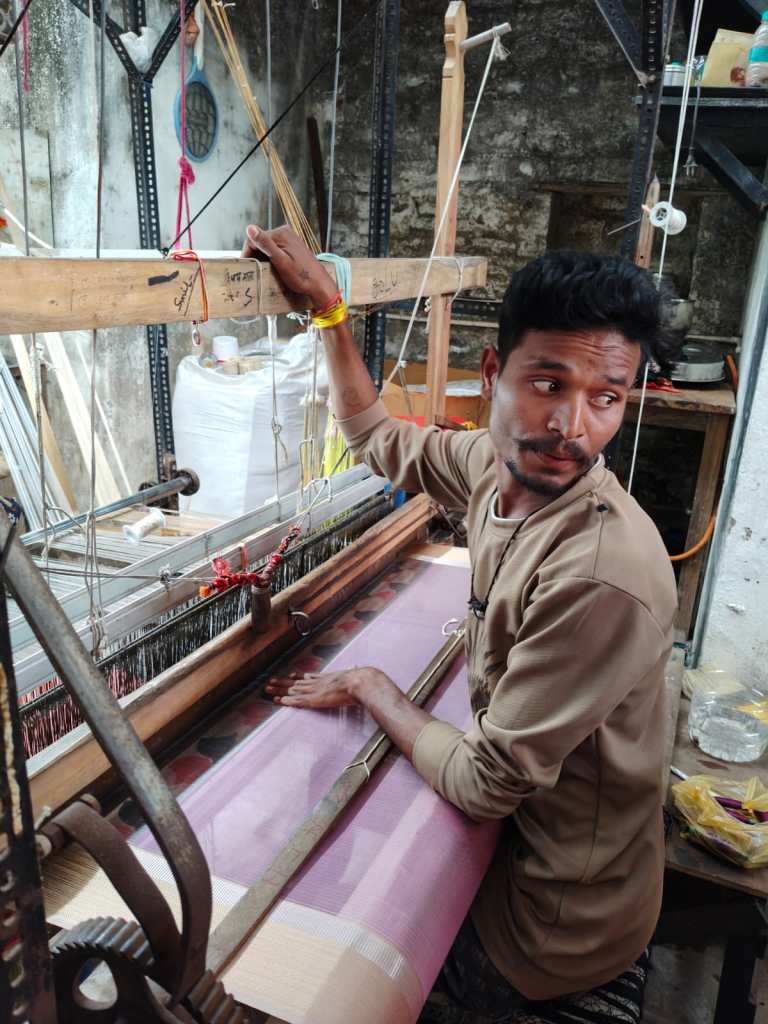
We also visited the Maheshwar Ghats, where we witnessed devotees performing rituals on the river’s edge. And of course, we couldn’t leave without shopping for some exquisite Maheshwari Sarees, a famous textile from the region known for its intricate designs and vibrant colors. It was a day filled with history, culture, and local craftsmanship.
While we also wanted to go see Jahaz Mahal in Mandu, it probably was too much to ask for in a single day!
Day 5: Train Journey to Khajuraho
We started our day by having a sumptuous breakfast of Poha Jalebi on a roadside stall Head Saheb ke Pohe! Now it was time to embark on the next leg of our journey. We boarded a train to Khajuraho around afternoon, with a scheduled arrival late night on the same day. The train ride provided a glimpse of rural Madhya Pradesh, and we were excited for the temples and rich history that awaited us in Khajuraho.
Khajuraho is a small temple town with a railway station in shambles, barely any flight connectivity, still not dampening the spirits of western tourists and destination weddings which have quite become a routine for the locals.
A tuktuk zips through the darkness of the night, with a cool breeze swirling around, while the road is dominated by piles of cow dung—this is Khajuraho at first glance for you. We reached our stay, Lalit Temple View, a nice upscale hotel located in the vicinity of western part of temple and provides glimpses of Kankariya Mahadev temple.
Day 6: Exploring the Temples of Khajuraho
Khajuraho has various clusters of temples, out of which the most visited and well maintained is western cluster, which is also a world unesco heritage site.
The temples follow a Nagara style which our guide explained in very simple terms: think of a naag (snake) sitting on top of its kundli, which acts as a platform for the deity. While the temples are famous for its erotic carvings, it’s not ubiquitous and hardly present on less than 10% of what is there to see.
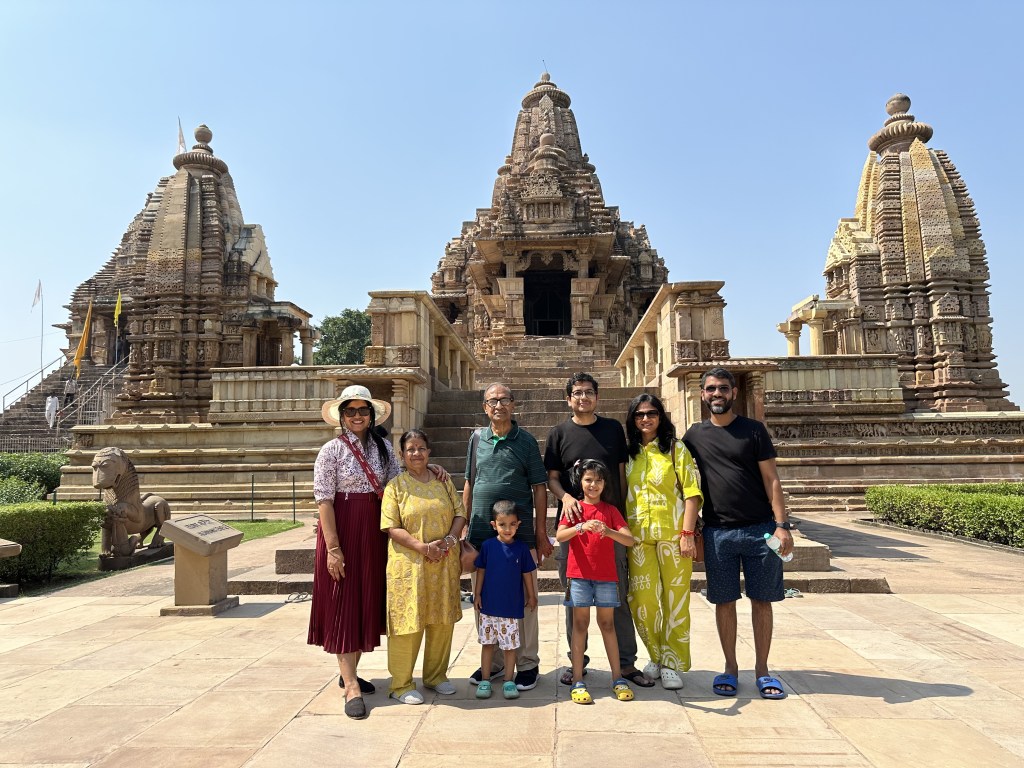
The main temple welcomed us with its awe-inspiring intricate sculptures depicting gods, goddesses, and daily life. These temples are not only religiously significant but are also an artistic marvel, with detailed carvings that convey stories of sensuality, devotion, and mythology.
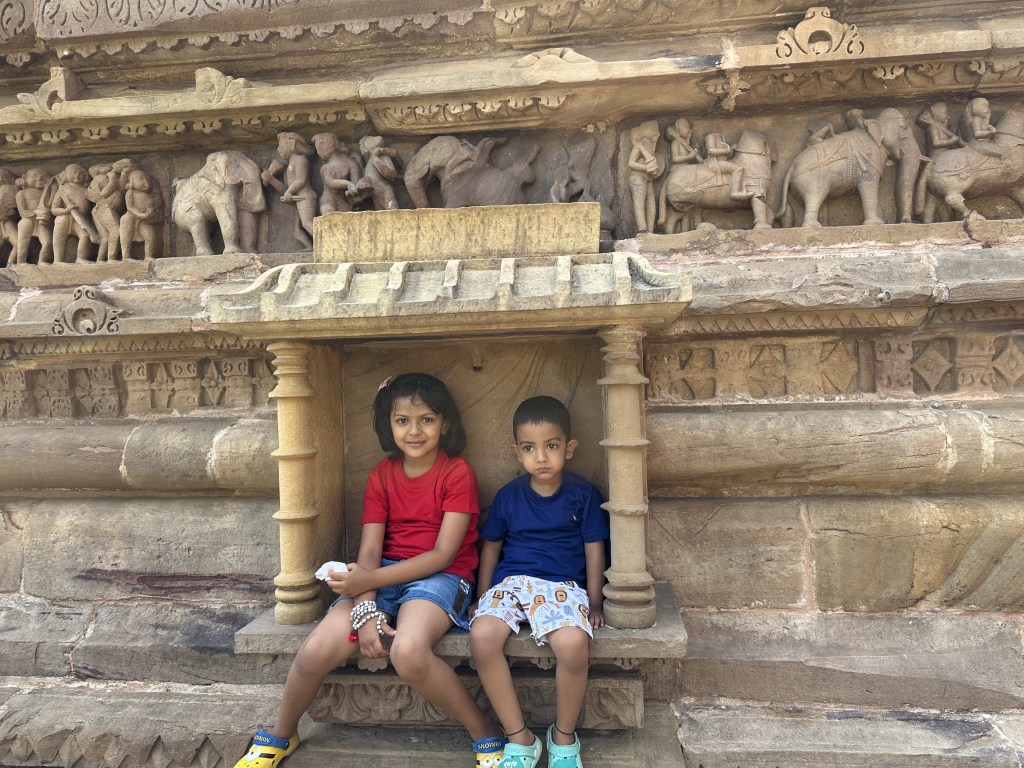
The temples were remarkably well-preserved, and as we explored, we marveled at the craftsmanship of ancient artisans. The serenity of the surroundings, along with the beauty of the temples, made for an unforgettable experience.
Day 7: More of Khajuraho and Train Back to Indore
On our second day in Khajuraho, we continued to explore the remaining temples and witness Sunset from Chaturbuja temple. After doing some photoshoot in the remarkably calm temple premises, our tuktuk driver took us to a handicraft shop, where we got to see and buy some Bamboo Sarees, made out of Bamboo Cotton, something for which Khajuraho is famous for.
We boarded the overnight train back to Indore to be there just in time to catch our flight back. We were lucky to have engaged same old cab drivers, who not only dropped us at airport on time, but also saved time by helping us with Indore’s local delicacies and snacks to bring back home!
Indore: Every bite is a celebration
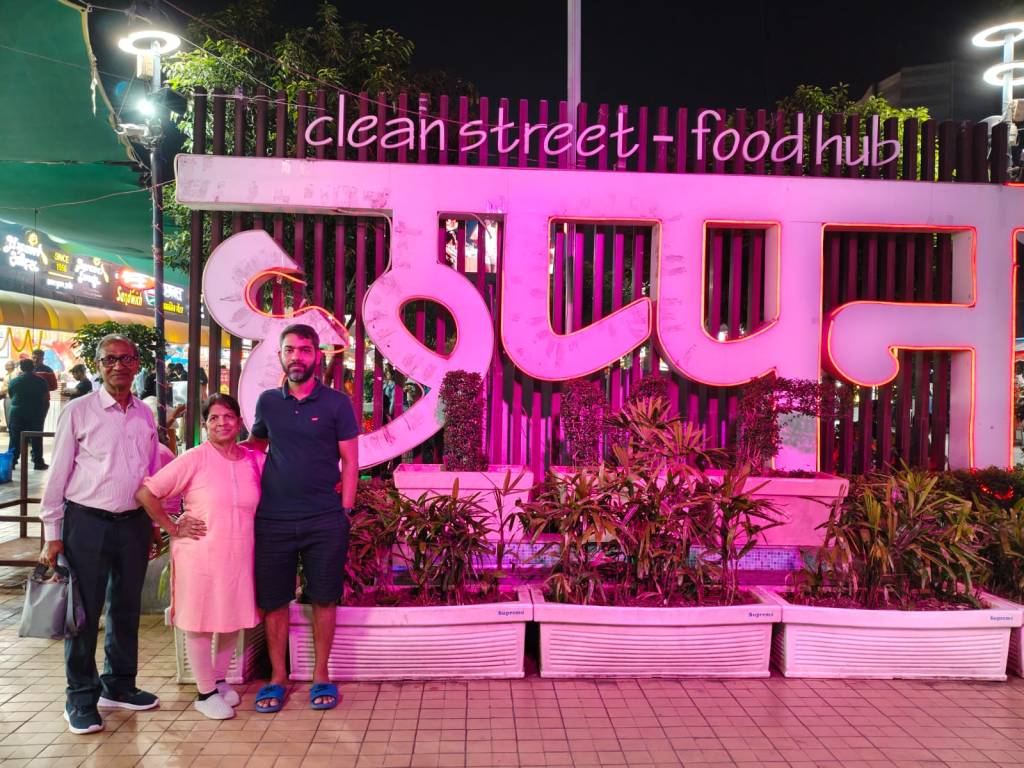
Indore’s food scene is a true reflection of the city’s vibrant culture and culinary diversity and that’s why I believe it needs a separate mention of its own. One of the most iconic spots is Sarafa Bazaar, a bustling night market that comes alive after sunset. This place is a paradise for food lovers, offering a variety of street foods like poha, jalebi, sabudana khichdi, and the famous bhutte ka kees and Garadu (sweet potato chat). We also witnessed the Dahi Vadas flying high and landing perfectly back in the plates at Joshi Dahi Vada shop. The aroma of sizzling street food fills the air as you navigate through the colorful stalls, making Sarafa Bazaar a must-visit for anyone exploring Indore.
Another gem in Indore’s food scene is the Chhappan Dukan (56 Shops), a food lane offering an array of snacks at pocket-friendly prices. Among several other things, I would like to mention Khopra patties (Vijay Chat House) and Jamun shots.
Indore truly offers a feast for the senses, where every street corner holds a new taste adventure!
GB Hacks
- Road Condition to Omkareshwar jyotirling is not great and frequent traffic jams is not unheard of.
- It’s highly advisable to get Sheegra Darshan tickets in Omkareshwar temple, which can be booked on the official website. For Mamleshwar temple and Mahakali temple, prior booking is not needed.
- Bhasm Arti tickets need to be booked well in advance. Indore to Ujjain road travel during nighttime is completely safe and hence one can leave Indore accordingly to attend Aarti.
- Most of attractions, including food shops, in Ujjain are inside temple corridor where regular vehicles can’t go.
- There are hotels available in front of Mahakal temple where one can rent room on hourly basis. Perfect for relaxing for sometime when you target early morning Bhasm Arti.
 Kedia's Travelogue